12-Week Progressive Overload Program for Intermediate Lifters
Learn how to build muscle with a 12‑week progressive overload program for intermediate lifters, using auto‑regulation, macro targets, and nutrition tips.
MuscleHubEG
Certified Coach

12-Week Progressive Overload Program for Intermediate Lifters
Progressive overload is the engine that drives muscle growth, but without a way to listen to your body it can quickly become a source of burnout. This guide shows you how to combine systematic load increases with auto‑regulation so you can train hard, recover smart, and keep the gains coming for twelve straight weeks.
Introduction: Why Progressive Overload & Auto‑Regulation Matter
Progressive overload means gradually increasing the demand on your muscles — more weight, more reps, or more volume — so they adapt by getting bigger and stronger. Auto‑regulation adds a feedback loop: you adjust the day's intensity based on how you feel, sleep quality, and performance markers. Together they create a sustainable path for intermediate lifters who have outgrown beginner linear programs but aren't ready for elite periodization. Research shows that lifters who auto‑regulate maintain higher training quality and lower injury rates over months of consistent work.
Understanding Progressive Overload and Auto‑Regulation Principles
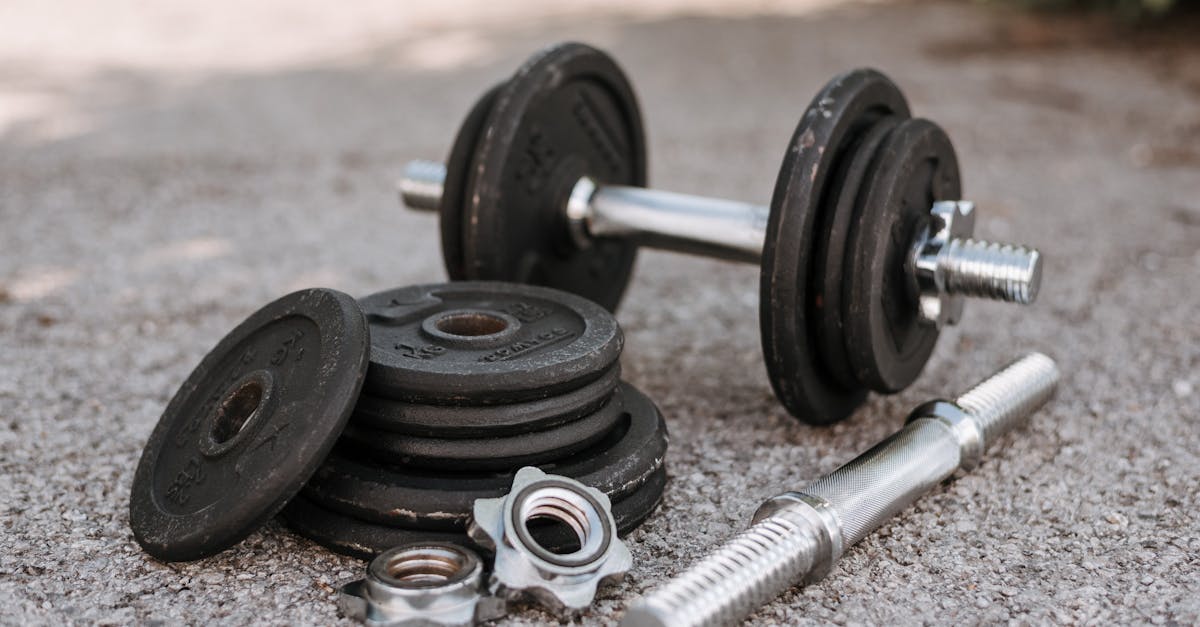
The classic overload variables are load, volume, frequency, and density. In practice you might add 2.5 kg to a lift each week, or add a set when you hit the top of your rep range. Auto‑regulation uses tools like RPE (rate of perceived exertion) or velocity‑based thresholds to decide whether to push, hold, or back off. If your first set feels like a 9/10 RPE, you keep the weight; if it's a 7, you add load next session. This approach respects daily fluctuations in recovery, stress, and nutrition, preventing the plateaus that rigid programs often cause.
Calculating Calories and Macros for Muscle Gain
To answer “how many calories should I eat to gain muscle?” start with your total daily energy expenditure (TDEE) using a reliable macro calculator, then add a modest surplus of 250–350 kcal. That surplus fuels hypertrophy while limiting excess fat gain. Protein intake guidelines suggest 1.6–2.2 g per kilogram of body weight daily; for an 80 kg lifter that’s 130–175 g. Carbohydrates should fill 40–50 % of remaining calories to support training intensity, and fats make up the rest. Can I lose fat and build muscle at the same time? Yes, especially for intermediates in a slight deficit with high protein and progressive overload, but the rate of muscle gain will be slower than in a true surplus.
Designing the 12‑Week Workout Split for Hypertrophy
What's the best workout split for hypertrophy? An upper/lower four‑day split (Mon/Thu upper, Tue/Fri lower) balances frequency and recovery, hitting each muscle group twice per week. Weeks 1‑4 focus on 3 × 8‑10 at 70 % 1RM, weeks 5‑8 shift to 4 × 6‑8 at 75 %, weeks 9‑12 peak with 5 × 5‑6 at 80 % plus a final deload week. Include compound hypertrophy exercises — squat, deadlift, bench, row, overhead press — plus isolation moves for arms, calves, and rear delts. Should I do cardio while trying to build muscle? Two low‑intensity steady‑state sessions (20‑30 min) per week improve recovery and cardiovascular health without interfering with the overload signal. For more details on structuring this split, see our 4‑day upper/lower hypertrophy split.
Nutrition Strategies: Protein, Creatine, and Budget‑Friendly Meal Prep

How much protein do I need daily to build muscle? Aim for the upper end of the 1.6‑2.2 g/kg range, spread across 4‑5 meals to maximize muscle protein synthesis. The best protein powder for muscle gain is a whey isolate or a high‑quality plant blend if you’re dairy‑free; both deliver ~25 g per scoop with minimal carbs. Creatine benefits and side effects are well‑documented: 3‑5 g daily of creatine monohydrate improves strength, power, and cell hydration, with no serious long‑term safety concerns when taken consistently. Do I need supplements to build muscle? No — whole foods can cover all needs — but creatine and a convenient protein powder make hitting targets easier on busy days. What's the best post‑workout meal for muscle growth? A 3:1 carb‑to‑protein ratio (e.g., 60 g carbs + 20 g protein) within 60 minutes replenishes glycogen and spikes MPS; a banana‑whey shake or chicken‑rice bowl works perfectly. If you’re looking for a proven plan that combines these nutrition principles with periodized training, check out our 12‑Week Periodized Muscle Building Plan.
Recovery Essentials: Sleep, Rest Days, and Supplement Safety
How important is sleep for muscle recovery? Critical — 7‑9 hours of quality sleep drives growth hormone release, glycogen restoration, and neural recovery. The World Health Organization emphasizes that adequate sleep is a pillar of overall health, supporting immune function and cognitive performance (WHO sleep guidelines). Schedule at least one full rest day per week and consider a deload week every 4‑6 weeks. Is creatine safe for long‑term use? Research indicates no adverse kidney or liver effects in healthy adults after years of daily 3‑5 g dosing; stay hydrated and choose a reputable brand. For a deeper look at the evidence, you can review the summary on the NIH site (Creatine safety overview). Keep a simple supplement log to track any digestive issues, and prioritize whole‑food micronutrients (magnesium, zinc, vitamin D) for optimal hormonal balance. If you struggle with sleep quality, different magnesium forms can help; see our comparison of magnesium glycinate vs threonate vs citrate.
Tracking Progress and Making Auto‑Regulated Adjustments

Log every session: weight, reps, RPE, sleep hours, and mood. Weekly, compare average RPE for each lift; if it drops below 7 for two consecutive weeks, increase load by 2‑3 %. If RPE climbs above 9, reduce volume or add an extra rest day. How long until I see noticeable muscle gains? Most intermediates notice visual changes around week 6‑8 when cumulative volume and nutrition align; strength gains appear earlier. Use progress photos, tape measurements, and body‑weight trends rather than the scale alone to gauge hypertrophy.
Conclusion
Combining progressive overload with auto‑regulation gives you a flexible, evidence‑aligned framework that respects life’s variability while still delivering steady muscle growth. Calculate a modest calorie surplus, hit your protein target, supplement wisely with creatine and a quality protein powder, and protect recovery through sleep and strategic rest. Track objectively, adjust intuitively, and after twelve weeks you’ll have a stronger, more muscular physique — plus the knowledge to keep progressing long after the program ends.
Ready to take your training to the next level? Join MuscleHubEG coaching for personalized program design, nutrition guidance, and ongoing support. Explore our library of evidence‑based articles and start transforming your physique today.
Frequently Asked Questions
How much protein do I need daily to build muscle?
Aim for 1.6–2.2 grams of protein per kilogram of body weight daily, spread across 3–5 meals.
Is creatine safe for long-term use?
Yes, research shows creatine monohydrate is safe for healthy adults when taken at 3–5 grams daily long-term.
Can I lose fat and build muscle at the same time?
Body recomposition is possible for beginners, detrained individuals, or those with higher body fat, using a slight calorie deficit and progressive resistance training.
How many calories should I eat to gain muscle?
Start with maintenance calories plus 250–500 kcal daily, adjusting weekly based on 0.25–0.5% body weight gain per week.
What's the best workout split for hypertrophy?
An upper/lower or push/pull/legs split performed 4–6 days weekly allows optimal frequency and volume for muscle growth.
Do I need supplements to build muscle?
No — whole foods can cover all needs; supplements like protein powder and creatine are convenient but not required.
How important is sleep for muscle recovery?
Critical — 7–9 hours nightly maximizes growth hormone release, glycogen replenishment, and protein synthesis.
Should I do cardio while trying to build muscle?
Low-to-moderate cardio 2–3 times weekly supports recovery and health without interfering with hypertrophy if calories are adequate.
How long until I see noticeable muscle gains?
Beginners often see visual changes in 8–12 weeks with consistent training and nutrition; advanced lifters progress slower.
What's the best post-workout meal for muscle growth?
A meal with 30–40g protein and 40–60g carbs within 2 hours post-training optimizes recovery and muscle protein synthesis.
Frequently Asked Questions
How much protein do I need daily to build muscle?
Aim for 1.6–2.2 grams of protein per kilogram of body weight daily, spread across 3–5 meals.
Is creatine safe for long-term use?
Yes, research shows creatine monohydrate is safe for healthy adults when taken at 3–5 grams daily long-term.
Can I lose fat and build muscle at the same time?
Body recomposition is possible for beginners, detrained individuals, or those with higher body fat, using a slight calorie deficit and progressive resistance training.
How many calories should I eat to gain muscle?
Start with maintenance calories plus 250–500 kcal daily, adjusting weekly based on 0.25–0.5% body weight gain per week.
What's the best workout split for hypertrophy?
An upper/lower or push/pull/legs split performed 4–6 days weekly allows optimal frequency and volume for muscle growth.
Do I need supplements to build muscle?
No — whole foods can cover all needs; supplements like protein powder and creatine are convenient but not required.
How important is sleep for muscle recovery?
Critical — 7–9 hours nightly maximizes growth hormone release, glycogen replenishment, and protein synthesis.
Should I do cardio while trying to build muscle?
Low-to-moderate cardio 2–3 times weekly supports recovery and health without interfering with hypertrophy if calories are adequate.
How long until I see noticeable muscle gains?
Beginners often see visual changes in 8–12 weeks with consistent training and nutrition; advanced lifters progress slower.
What's the best post-workout meal for muscle growth?
A meal with 30–40g protein and 40–60g carbs within 2 hours post-training optimizes recovery and muscle protein synthesis.