Beginner Muscle Building Workout Plan: 4‑Week Day‑by‑Day Guide
Get a 4‑week beginner muscle building workout plan with daily routines, calorie targets, protein powder picks, and recovery tips to boost strength fast.
MuscleHubEG
Certified Coach

Beginner Muscle Building Workout Plan: 4‑Week Day‑by‑Day Guide
Starting a muscle‑building journey can feel overwhelming, but a clear, four‑week roadmap removes the guesswork and builds momentum fast. In this guide you’ll learn a beginner‑friendly muscle building workout plan, how to set a calorie deficit for belly fat loss without sacrificing lean tissue, the best protein powder for muscle gain, daily protein intake recommendations, post‑workout recovery tips, whether intermittent fasting for fat loss fits your lifestyle, joint support supplements worth considering, a stretching routine for soreness relief, how to use a macro calculator for bodybuilding, and the top home gym equipment under $500 for maximum value.
Introduction: Why a Structured 4‑Week Plan Works for Beginners
A structured program gives you progressive overload, balanced muscle‑group frequency, and built‑in recovery — three pillars that research shows drive hypertrophy more reliably than random workouts. Beginners often over‑train some areas while neglecting others; a day‑by‑day schedule ensures each major group gets hit 2–3 times per week, the sweet spot for optimal growth. The four‑week block is long enough to see measurable strength gains yet short enough to keep motivation high and allow easy adjustments.
Week‑by‑Week Workout Overview
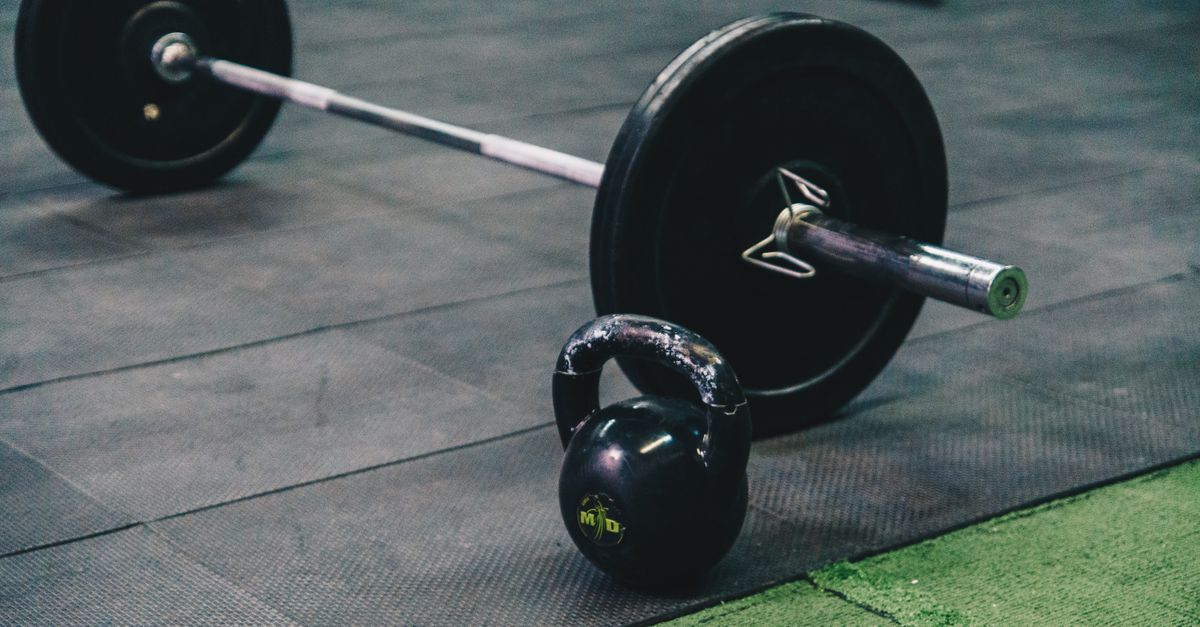
Week 1 – Foundation – Full‑body sessions three times per week (e.g., Mon/Wed/Fri) focusing on movement patterns: squat, hinge, push, pull, and core. Light loads, 3 sets × 10‑12 reps, 60‑second rest.
Week 2 – Volume Increase – Add a fourth session (upper/lower split) and raise sets to 4 × 8‑10 reps. Introduce a second compound per pattern.
Week 3 – Intensity Spike – Keep four sessions, shift to 4 × 6‑8 reps with heavier loads, and add a brief 5‑minute conditioning finisher.
Week 4 – Deload & Test – Reduce volume to 3 × 10‑12 reps, focus on technique, and record 5‑rep maxes for key lifts to gauge progress.
Detailed Daily Exercise Schedule (Day‑by‑Day)
Monday – Lower Body A
Tuesday – Upper Body Push
Wednesday – Rest / Mobility
Thursday – Lower Body B
Friday – Upper Body Pull
Saturday – Optional Core & Conditioning
Sunday – Full Rest
Nutrition Essentials: Calories, Macros, and Protein Powder Picks

To lose belly fat while preserving muscle, aim for a moderate calorie deficit of 300‑500 kcal below maintenance — this range is widely shown to spare lean mass. Use a macro calculator for bodybuilding to set protein at 1.6‑2.2 g per kg body weight (≈0.7‑1 g per lb), carbs at 3‑5 g/kg, and fats at 0.8‑1 g/kg.
Protein powder selection – Whey isolate offers the highest leucine content per gram, making it a top choice for rapid post‑workout recovery. Plant blends (pea‑rice‑hemp) match whey’s amino profile when combined, ideal for vegans or lactose‑intolerant lifters. Look for third‑party testing, ≤3 g sugar, and ≥20 g protein per serving.
Pre‑workout meals – 1‑2 hours before training, combine 30‑40 g carbs (oats, banana) with 20‑30 g protein (Greek yogurt, whey) for sustained energy.
Sample daily macro split (80 kg male)
Recovery & Supplement Strategies: Post‑Workout Foods, Joint Health, and Stretching

Post‑workout recovery foods – Within 30‑60 minutes, consume a 3:1 carb‑to‑protein ratio: chocolate milk, a whey shake with a banana, or Greek yogurt with berries and honey. These provide fast‑digesting carbs to replenish glycogen and high‑quality protein to kick‑start muscle protein synthesis.
Joint support supplements – Glucosamine‑chondroitin (1,500 mg/1,200 mg daily) and omega‑3 fish oil (2‑3 g EPA/DHA) have modest evidence for reducing joint discomfort in heavy lifters. Collagen peptides (10 g) taken pre‑workout may improve tendon resilience.
Stretching routine for soreness relief (perform daily, 5‑10 min)
Sleep & hydration – 7‑9 hours sleep and 3‑4 L water daily are non‑negotiable for hormone balance and tissue repair.
Frequently Asked Questions & Final Tips
How often should I train each muscle group for optimal growth? 2‑3 sessions per week per group, spaced 48‑72 hours apart, aligns with the frequency used in this plan.
What is the ideal calorie deficit for losing belly fat without losing muscle? 300‑500 kcal below maintenance, combined with high protein (1.6‑2.2 g/kg) and resistance training, preserves lean mass.
Which protein powder type is best for muscle gain? Whey isolate for rapid absorption; high‑quality plant blends for dietary restrictions.
How many grams of protein should I eat daily to build muscle? 1.6‑2.2 g per kg body weight (≈0.7‑1 g per lb).
What are effective post‑workout recovery foods? Chocolate milk, whey‑banana shake, Greek yogurt with fruit — all deliver a 3:1 carb‑to‑protein ratio.
Can intermittent fasting help with fat loss? Yes, a 16:8 window can simplify calorie control and improve insulin sensitivity, but total daily protein and training quality remain the primary drivers.
Do I need supplements for joint health? Not mandatory, but glucosamine‑chondroitin, omega‑3s, and collagen can reduce aches during heavy loading phases.
What stretching routine reduces muscle soreness? The 5‑move dynamic/static sequence above, done daily, improves mobility and lessens DOMS.
How to calculate macros for bodybuilding? Determine TDEE, subtract 300‑500 kcal for fat loss (or add 200‑300 kcal for gain), then allocate protein 30 %, carbs 40 %, fats 30 % — adjust based on response.
What home gym equipment gives the best value under $500? Adjustable dumbbells (≈$250), a sturdy pull‑up bar ($30), resistance bands set ($40), a kettlebell 16 kg ($60), and a foldable bench ($120) — total ≈$500 and covers all major movement patterns.
For more structured programming, you might also explore a 4‑week beginner hypertrophy plan or a 12‑week dumbbell and band muscle plan. If you prefer equipment‑free progressions, see the 12‑week progressive overload home workout.
Conclusion
A clear, four‑week beginner muscle building workout plan paired with smart nutrition — moderate calorie deficit for belly fat loss, adequate daily protein intake, and the best protein powder for muscle gain — sets the foundation for lasting strength and physique changes. Layer in post‑workout recovery tips, optional intermittent fasting for fat loss, joint support supplements, and a daily stretching routine for soreness relief, and you’ll recover faster and train harder. With a macro calculator for bodybuilding and affordable home gym equipment under $500, you have everything needed to start today. Stay consistent, listen to your body, and the results will follow.
Ready to take your training to the next level? Join MuscleHubEG coaching for personalized plans, expert guidance, and a supportive community. Explore more articles, tools, and resources on our site to keep progressing toward your fitness goals.
Frequently Asked Questions
How often should I train each muscle group for optimal growth?
Train each major muscle group 2‑3 times per week, allowing 48‑72 hours of rest between sessions for recovery.
What is the ideal calorie deficit for losing belly fat without losing muscle?
Aim for a 15‑20% calorie deficit, roughly 250‑500 calories below maintenance, while keeping protein intake high.
Which protein powder type is best for muscle gain?
Whey isolate offers the fastest absorption, making it the top choice for post‑workout muscle synthesis.
How many grams of protein should I eat daily to build muscle?
Consume 1.6‑2.2 grams of protein per kilogram of body weight each day.
What are effective post‑workout recovery foods?
Combine fast‑digesting carbs with protein, such as a banana with whey shake, within 30‑60 minutes after training.
Can intermittent fasting help with fat loss?
Yes, IF can reduce overall calorie intake and improve insulin sensitivity, supporting fat loss when paired with proper nutrition.
Do I need supplements for joint health?
Glucosamine, chondroitin, and omega‑3s are commonly used to support joint comfort and mobility.
What stretching routine reduces muscle soreness?
A 10‑minute dynamic warm‑up before training and static stretching after workouts can lessen delayed onset muscle soreness.
How to calculate macros for bodybuilding?
Set protein at 30% of calories, fats at 25%, and fill the remaining 45% with carbs, adjusting totals to your calorie goal.
What home gym equipment gives the best value under $500?
A set of adjustable dumbbells, a resistance band kit, and a sturdy pull‑up bar cover most strength needs within that budget.