How much protein do you need per day to build muscle? 7‑Day Plan
Discover exactly how much protein you need per day to build muscle with a free 7‑day sample plan, pre‑workout timing tips, fasting schedule, and more.
Musclehubeg
Certified Coach

You walk into the gym on Monday, grab a shake, and wonder if the scoop you just drank is enough to turn today’s effort into new muscle tomorrow. Most lifters chase a number they heard on a podcast, but the real answer lives in a simple calculation you can tweak each week. In the next sections you’ll get a ready‑to‑copy 7‑day template, a protein calculator, timing tricks for endurance pre‑workouts, an intermittent fasting schedule for muscle gain and fat loss, the truth about carbs, a sleep checklist, and a budget home gym equipment list for beginners — all with adaptation notes for every level.
How many grams of protein should I eat per day to build muscle? (calculator & template)
The classic guideline from multiple studies shows that 1.6 to 2.2 g of protein per kilogram of body weight maximizes hypertrophy for most trainees. To make it personal, multiply your weight in kilograms by 1.8 (the middle of the range) and you have a daily target you can adjust up or down by 0.2 g depending on recovery. For an 80 kg lifter that equals 144 g; a 65 kg lifter aims for roughly 117 g. This answers the question: how many grams of protein should I eat per day to build muscle? You can fine‑tune your protein target with our free macro calculator.
7‑Day Protein Template (copy into a spreadsheet)
Adaptation notes: Beginners stay at the lower end, intermediates hit the middle, advanced athletes push the upper end. Track weekly weight and strength; if progress stalls, add 0.1 g/kg.
What is the best time to take pre‑workout supplements for endurance training?

Research shows that ingesting a caffeine‑based pre‑workout 30–45 minutes before the session peaks blood levels when the first interval starts. For endurance work lasting >60 minutes, a second smaller dose (≈50 mg caffeine) at the 45‑minute mark sustains output. This directly answers: what is the best time to take pre‑workout supplements?
Timing checklist
Adaptation notes: Low‑caffeine responders cut the first dose in half; night‑owls shift the window earlier to avoid sleep disruption.
Can intermittent fasting help you gain muscle while losing fat? A customizable schedule
Yes — an intermittent fasting schedule for muscle gain and fat loss can work when protein distribution stays high. A 16:8 window (fast 16 h, eat 8 h) with three protein‑rich meals spaced 3–4 hours apart preserves muscle protein synthesis. The key is to place the largest protein bolus (≈0.5 g/kg) right after training, even if that falls near the end of the eating window. This answers: can intermittent fasting help you gain muscle?
Sample 7‑Day IF Schedule
Adaptation notes: Beginners start with 14:10, intermediates use 16:8, advanced may trial 18:6 on non‑training days. Keep total daily protein at the target from section one.
Do carbs really cause weight gain? Quick facts for muscle‑building diets

Carbohydrates alone do not cause fat gain; excess calories do. Studies show that when protein is high (≈2 g/kg) and resistance training is consistent, lifters can eat 3–5 g/kg carbs and still lose fat if total calories are controlled. The phrase “do carbs cause weight gain” is a myth when context is ignored. For muscle growth, carbs replenish glycogen, blunt cortisol, and spare protein for repair.
Carb‑timing cheat sheet
Adaptation notes: Endurance athletes lean toward the higher end; physique competitors may cycle lower on cut weeks.
How to improve sleep quality for muscle recovery? Simple nightly checklist
Sleep drives growth hormone release and muscle protein synthesis; studies show <7 h reduces recovery markers by up to 30 %. The question how does sleep affect muscle recovery is answered by a consistent routine.
Nightly checklist (copy‑paste)
Adaptation notes: Shift workers can split the 7‑9 h into a core 5‑h block + 2‑h nap; track HRV to fine‑tune.
Budget home gym equipment list for beginners (price‑range template)
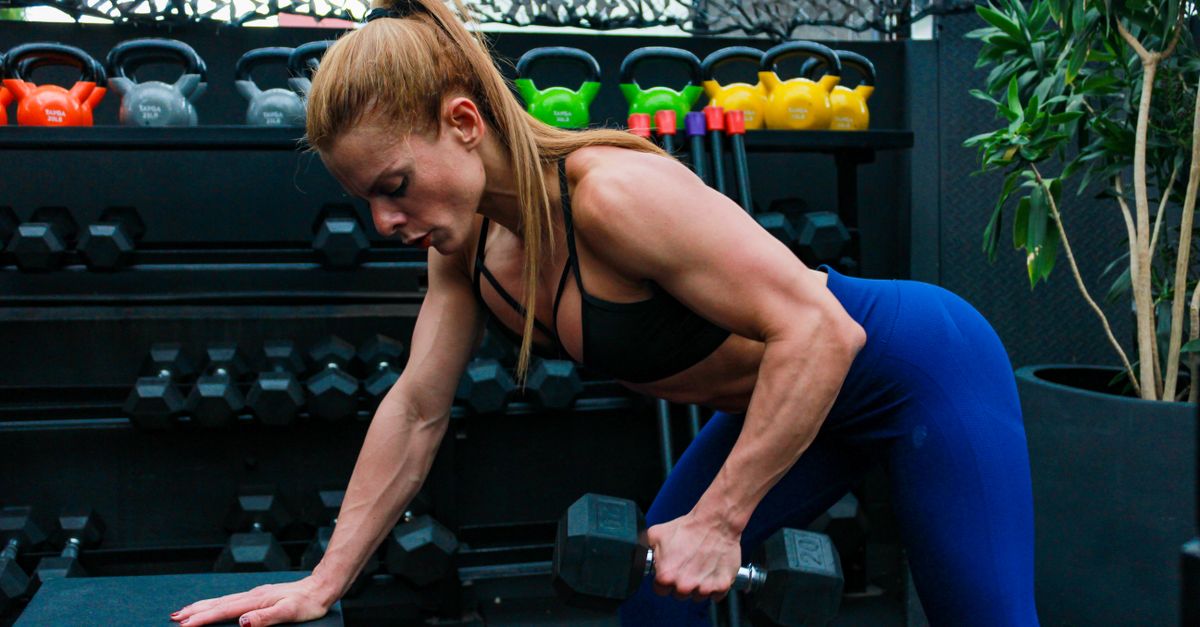
Building a functional space does not require a commercial rack. The essential pieces of equipment for a budget home gym are: adjustable dumbbells (≈$150‑$250), a sturdy pull‑up bar ($30‑$50), resistance bands set ($20‑$40), a foldable bench ($80‑$130), and a jump rope ($10). This budget home gym equipment list for beginners covers strength, hypertrophy, and conditioning.
Price‑range template
Adaptation notes: Beginners start with bands + bodyweight; add dumbbells when budget allows. Intermediates invest in a rack later; advanced lifters may replace bands with a barbell set.
Conclusion
You now have a complete system: calculate how much protein do you need per day to build muscle, time the best pre‑workout supplement for endurance training, follow an intermittent fasting schedule for muscle gain and fat loss, understand that do carbs cause weight gain is a calorie‑context issue, optimize how to improve sleep quality for muscle recovery, and equip a budget home gym equipment list for beginners. Plug the 7‑day protein template into your tracker, adjust the fasting window to your lifestyle, and use the sleep checklist tonight. Remember, strength training vs cardio for fat loss favors resistance work for muscle retention, while a modest calorie deficit (≈300‑500 kcal below maintenance) answers how many calories should I eat to lose belly fat quickly. Stay consistent, track weekly, and the numbers will turn into visible muscle.
Ready to take your training to the next level? Explore Musclehubeg's personalized online coaching with coach Ahmed Zake and get a custom program built around your goals, schedule, and equipment.
---
References
Frequently Asked Questions
How many grams of protein should I eat per day to build muscle?
Aim for about 0.8–1.0 grams of protein per pound of body weight (1.8–2.2 g/kg) to support muscle growth.
What is the best time to take pre‑workout supplements?
Take pre‑workout 20‑30 minutes before training to maximize energy and focus during the session.
Can intermittent fasting help you gain muscle?
Yes, if you keep total daily calories and protein intake sufficient, intermittent fasting can coexist with muscle gain.
Do carbs really make you gain weight?
Carbs only cause weight gain when you consume more calories than you burn; they’re essential for performance and recovery.
What are the essential pieces of equipment for a budget home gym?
A set of adjustable dumbbells, a resistance band kit, a sturdy bench, and a pull‑up bar cover most beginner workouts without breaking the bank.
How does sleep affect muscle recovery?
Quality sleep triggers hormone release (like growth hormone) and protein synthesis, which are critical for repairing and building muscle tissue.
Which plant‑based protein powder is best for bulking?
Pea‑rice blends with added BCAAs provide a complete amino acid profile and high protein density, making them top choices for bulking.
What should I include in a post‑workout shake for muscle growth?
Combine fast‑digesting whey or plant protein (20‑30 g), simple carbs (like fruit or maltodextrin), and a pinch of creatine for optimal recovery.
How many calories do I need to lose belly fat quickly?
Create a moderate deficit of 500‑750 calories per day, which typically results in 1‑1.5 lb of fat loss per week, focusing on a balanced macro split.
Is strength training more effective than cardio for fat loss?
Strength training preserves lean mass and boosts metabolism, making it generally more effective for long‑term fat loss than cardio alone.
Frequently Asked Questions
How many grams of protein should I eat per day to build muscle?
Aim for about 0.8–1.0 grams of protein per pound of body weight (1.8–2.2 g/kg) to support muscle growth.
What is the best time to take pre‑workout supplements?
Take pre‑workout 20‑30 minutes before training to maximize energy and focus during the session.
Can intermittent fasting help you gain muscle?
Yes, if you keep total daily calories and protein intake sufficient, intermittent fasting can coexist with muscle gain.
Do carbs really make you gain weight?
Carbs only cause weight gain when you consume more calories than you burn; they’re essential for performance and recovery.
What are the essential pieces of equipment for a budget home gym?
A set of adjustable dumbbells, a resistance band kit, a sturdy bench, and a pull‑up bar cover most beginner workouts without breaking the bank.
How does sleep affect muscle recovery?
Quality sleep triggers hormone release (like growth hormone) and protein synthesis, which are critical for repairing and building muscle tissue.
Which plant‑based protein powder is best for bulking?
Pea‑rice blends with added BCAAs provide a complete amino acid profile and high protein density, making them top choices for bulking.
What should I include in a post‑workout shake for muscle growth?
Combine fast‑digesting whey or plant protein (20‑30 g), simple carbs (like fruit or maltodextrin), and a pinch of creatine for optimal recovery.
How many calories do I need to lose belly fat quickly?
Create a moderate deficit of 500‑750 calories per day, which typically results in 1‑1.5 lb of fat loss per week, focusing on a balanced macro split.
Is strength training more effective than cardio for fat loss?
Strength training preserves lean mass and boosts metabolism, making it generally more effective for long‑term fat loss than cardio alone.