Science‑Backed Strategies to Lose Belly Fat Fast in 8 Weeks
Discover how to lose belly fat fast with a science‑backed 8‑week plan. Includes muscle building workout plan, macro calculator, fasting tips, and recovery hacks
Musclehubeg
Certified Coach

Belly fat is more than a cosmetic concern; it signals excess visceral fat that raises risk for metabolic disease. In the next sections you will learn the science of fat loss, how to structure a calorie deficit, the role of a high‑protein diet, a muscle‑building workout plan that burns fat while preserving lean muscle mass, recovery tactics that protect joints, and lifestyle hacks such as intermittent fasting for fat loss and a home gym equipment checklist. By the end you’ll have an 8‑week roadmap to shed inches safely and track body composition changes.
Understanding the Science Behind Belly Fat Reduction
Visceral fat sits deep around organs and responds strongly to a sustained calorie deficit combined with strength training. Research shows that reducing overall body fat percentage shrinks waist circumference faster than spot‑reduction exercises alone. Hormones like cortisol and insulin influence fat storage; managing stress and improving insulin sensitivity through regular activity accelerates loss. Consistency in nutrition, training, and sleep creates the metabolic environment needed for lasting change. The thermic effect of food also plays a role — protein requires more energy to digest than carbs or fats, modestly boosting daily expenditure.
Nutrition Foundations: Calories, Macros, and Protein

A moderate calorie deficit of 300‑500 kcal below maintenance drives fat loss while preserving muscle. To calculate macronutrient ratios as a beginner, start with 30 % protein, 40 % carbohydrate, 30 % fat and adjust based on progress. Protein intake of 1.6‑2.2 g per kg body weight supports lean muscle mass and satiety. A high‑protein diet also raises the thermic effect of food, helping you burn more calories at rest. Dietary fiber from vegetables, legumes, and whole grains improves digestion and controls hunger. Hydration for weight loss is critical; aim for 3‑4 L water daily to support metabolism and reduce false hunger signals.
For a practical meal‑prep framework that hits these macros, see our guide on Macro‑Tracking Meal Prep for Fat Loss on an 1800‑Calorie Diet.
Effective Training: Muscle‑Building Workout Plan for Fat Loss
A balanced muscle‑building workout plan combines strength training with HIIT cardio to maximize calorie burn and preserve muscle. For beginners, the most effective muscle‑building workout routine is a full‑body program performed three times per week, focusing on compound lifts (squat, deadlift, bench press, row, overhead press) at 3‑4 sets of 6‑10 reps. Add two short HIIT sessions (15‑20 min) on non‑lifting days to spike post‑exercise oxygen consumption. Progressive overload — increasing load or reps each week — drives lean muscle mass growth, which raises resting metabolic rate.
Sample weekly split:
If you prefer a split that still fits a busy schedule, the 4‑Day Split Workout Plan: Best Muscle Building & Fat Loss Guide offers an upper/lower alternative with built‑in progressive overload. For those who want to progress without adding weight, check out Progressive Overload Without Adding Weight: 4 Ways to Beat Plateaus.
Optimizing Recovery: Post‑Workout Tips and Joint Health

Recovery determines whether training stimulus translates into adaptation. Top post‑workout recovery tips include: consuming 20‑30 g fast‑digesting protein within 30 minutes, replenishing glycogen with 0.5‑1 g carbohydrate per kg body weight, and prioritizing 7‑9 hours sleep. Active recovery — foam rolling, light stretching — improves blood flow and reduces soreness. For joint protection during heavy lifting, supplements such as collagen peptides, glucosamine‑chondroitin, and omega‑3 fatty acids have evidence supporting reduced inflammation and improved cartilage health. Schedule at least one full rest day per week; rest days allow central nervous system recovery and prevent overtraining.
Magnesium also supports sleep quality and muscle relaxation; learn which form works best in Magnesium Glycinate vs Threonate vs Citrate: Which Form Actually Fixes Sleep & Recovery?.
Lifestyle Hacks: Intermittent Fasting, Pre‑Workout Timing, and Home Gym Essentials
Intermittent fasting for fat loss can simplify calorie control by limiting the eating window to 8‑10 hours; studies show comparable fat loss to continuous restriction when total calories match. It also improves insulin sensitivity, aiding visceral fat reduction. When should I eat before a workout for maximum performance? A balanced meal containing protein and complex carbs 2‑3 hours prior provides sustained energy; a small snack (e.g., banana with whey) 30‑60 minutes before works if time is short.
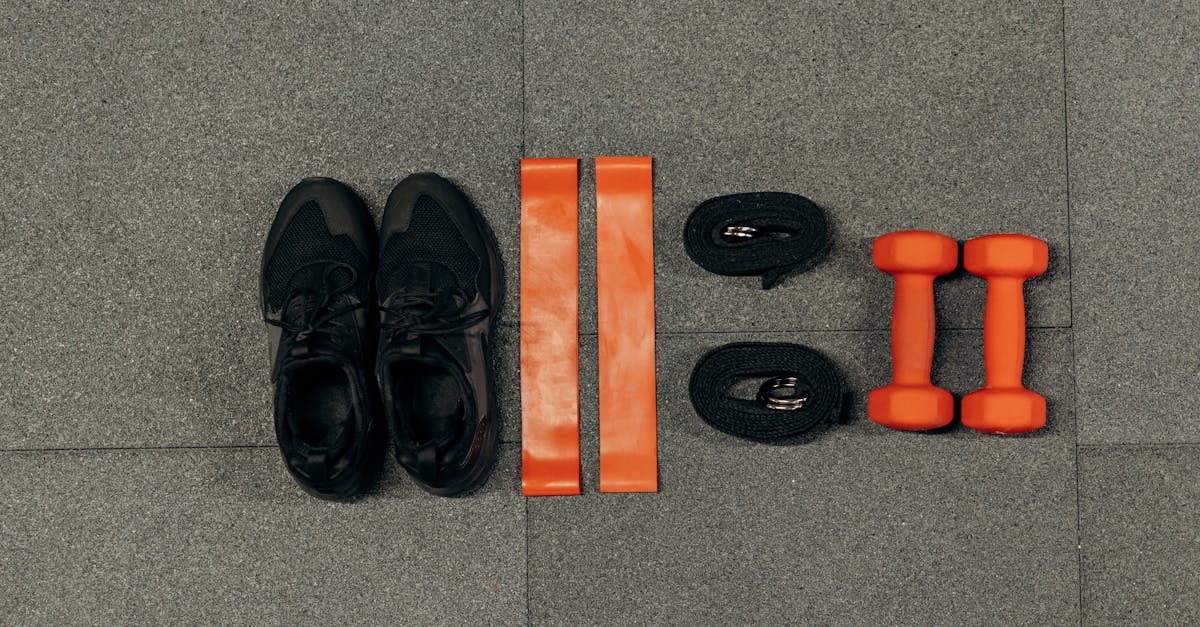
Essential home gym equipment checklist on a budget:
These tools cover strength training, HIIT cardio, and mobility without a commercial gym membership.
Your 8‑Week Action Plan & How to Track Progress
Weeks 1‑2: Establish baseline — weigh, measure waist, take photos, record maintenance calories. Set deficit, hit protein target, begin full‑body strength 3×/week, add 1 HIIT session.
Weeks 3‑4: Increase load 5 % each lift, add second HIIT session, start intermittent fasting 16:8 if comfortable. Log daily intake and workouts in an app for body composition tracking.
Weeks 5‑6: Introduce supersets to raise density, assess joint feel; add collagen or omega‑3 if soreness persists. Adjust calories ±100 kcal based on weekly weight trend.
Weeks 7‑8: Peak intensity — incorporate drop sets on final week, maintain fasting window, ensure 8 hours sleep. Final measurements: compare waist, weight, photos, and strength numbers. Celebrate lean muscle mass gains and reduced visceral fat.
Consistent execution of the nutrition, training, and recovery pillars outlined above creates a sustainable pathway to lose belly fat fast while building a stronger, healthier physique.
Conclusion
Losing belly fat in eight weeks is achievable when science‑backed nutrition, a structured muscle‑building workout plan, strategic recovery, and smart lifestyle habits align. Focus on a modest calorie deficit, high‑protein intake, progressive strength training, and adequate rest. Use intermittent fasting and a minimal home gym setup to stay consistent. Track body composition weekly, adjust based on data, and you’ll see measurable reductions in visceral fat and improvements in lean muscle mass. Stay patient, stay disciplined, and the results will follow.
Ready to take the guesswork out of your transformation? Join Musclehubeg coaching for personalized programming, nutrition accountability, and a community that keeps you on track — or explore more free guides on our site to keep the momentum going.
Frequently Asked Questions
What is the most effective muscle building workout routine for beginners?
A full‑body strength program 3 times per week focusing on compound lifts like squats, deadlifts, bench press, and rows, with progressive overload, yields the fastest gains for beginners.
How quickly can I expect to see belly fat loss with diet changes?
Visible reduction typically appears after 2–4 weeks of a consistent calorie deficit combined with regular cardio and strength training.
Which protein powder type supports muscle growth the best?
Whey protein isolates provide the highest leucine content and rapid absorption, making them the most effective for muscle synthesis, though high‑quality plant blends work well for vegans.
What are the top post‑workout recovery practices?
Consuming a protein‑carb snack within 30 minutes, staying hydrated, and getting 7‑9 hours of sleep each night are key to optimal recovery.
Does intermittent fasting really help with fat loss?
When paired with a proper calorie deficit, intermittent fasting can simplify eating windows and improve insulin sensitivity, aiding fat loss for many people.
What essential equipment should I include in a home gym on a budget?
A set of adjustable dumbbells, a power rack, a bench, and resistance bands cover most strength‑training needs without breaking the bank.
When should I eat before a workout for maximum performance?
A small meal or snack containing carbs and protein 60–90 minutes prior provides energy without causing digestive discomfort.
Which supplements help protect joints during heavy lifting?
Glucosamine, chondroitin, and omega‑3 fish oil have research‑backed benefits for joint lubrication and inflammation reduction.
How do I calculate my macronutrient ratios as a beginner?
Start by determining daily calories, then allocate 40‑45% carbs, 30‑35% protein, and 20‑30% fats, adjusting based on progress.
How many calories should I eat to bulk up safely?
Add roughly 250–500 calories above your maintenance level and prioritize protein‑rich meals to support lean muscle growth.
Frequently Asked Questions
What is the most effective muscle building workout routine for beginners?
A full‑body strength program 3 times per week focusing on compound lifts like squats, deadlifts, bench press, and rows, with progressive overload, yields the fastest gains for beginners.
How quickly can I expect to see belly fat loss with diet changes?
Visible reduction typically appears after 2–4 weeks of a consistent calorie deficit combined with regular cardio and strength training.
Which protein powder type supports muscle growth the best?
Whey protein isolates provide the highest leucine content and rapid absorption, making them the most effective for muscle synthesis, though high‑quality plant blends work well for vegans.
What are the top post‑workout recovery practices?
Consuming a protein‑carb snack within 30 minutes, staying hydrated, and getting 7‑9 hours of sleep each night are key to optimal recovery.
Does intermittent fasting really help with fat loss?
When paired with a proper calorie deficit, intermittent fasting can simplify eating windows and improve insulin sensitivity, aiding fat loss for many people.
What essential equipment should I include in a home gym on a budget?
A set of adjustable dumbbells, a power rack, a bench, and resistance bands cover most strength‑training needs without breaking the bank.
When should I eat before a workout for maximum performance?
A small meal or snack containing carbs and protein 60–90 minutes prior provides energy without causing digestive discomfort.
Which supplements help protect joints during heavy lifting?
Glucosamine, chondroitin, and omega‑3 fish oil have research‑backed benefits for joint lubrication and inflammation reduction.
How do I calculate my macronutrient ratios as a beginner?
Start by determining daily calories, then allocate 40‑45% carbs, 30‑35% protein, and 20‑30% fats, adjusting based on progress.
How many calories should I eat to bulk up safely?
Add roughly 250–500 calories above your maintenance level and prioritize protein‑rich meals to support lean muscle growth.